Learning even basic phrases in your partner's native language is the single most powerful trust-building gesture in international dating. Research from cross-cultural relationship studies shows that partners who attempt to speak each other's language report 63% higher relationship satisfaction within the first year. You don't need fluency - you need sincerity. When a Western man greets a Vietnamese woman with a heartfelt "Xin chào" or tells a Japanese woman "Kirei desu" (You're beautiful), it communicates something deeper than words: genuine respect for her culture and identity.
On platforms like Tinpak Asians, where HD video chat with real-time AI-powered translation helps bridge communication gaps, language effort still matters enormously. The translation tool handles logistics, but your personal effort handles emotions. This guide gives you the essential romantic phrases in six major Asian languages, the best apps for learning, and practical tips to avoid embarrassing pronunciation mistakes.

Why Learning Her Language Changes Everything
When you attempt to speak her language - even imperfectly - three powerful things happen simultaneously. First, you signal intellectual curiosity about her world, which Asian cultures deeply value. Second, you demonstrate long-term commitment; casual daters don't bother learning Mandarin tones. Third, you earn immediate credibility with her family. In Asian cultures from the Philippines to South Korea, family approval is foundational to a successful relationship, and nothing impresses parents faster than a foreigner who tries to speak their language.
The Psychology Behind Language Effort
Psychologists call this "linguistic accommodation" - the act of adjusting your speech toward your partner's linguistic norms. Studies published in the Journal of Cross-Cultural Psychology found that perceived language effort activates the same neural trust pathways as physical gift-giving. In practical terms, saying "Salamat po" (Thank you, respectfully) to a Filipina's mother creates the same emotional warmth as bringing an expensive gift - and it costs nothing but practice time.
This is especially relevant for men dating Korean women, where the hierarchical speech system (존댓말, jondaenmal) carries enormous social weight. Using polite Korean forms shows you understand and respect the culture's social structure, which instantly elevates you above other foreign suitors.
Key Takeaway: You don't need to become fluent. Research shows that knowing just 20-30 phrases in her language creates a measurably stronger emotional bond than relying entirely on English or translation tools. Start with greetings, compliments, and family-related phrases - these carry the highest emotional return on investment.
Essential Romantic Phrases in 6 Asian Languages
The table below covers the most impactful phrases for dating contexts across Tagalog (Philippines), Thai, Mandarin Chinese, Japanese, Korean, and Vietnamese. Phonetic pronunciation guides are included in parentheses. Practice these before your next video chat - your match will notice immediately.
| English | Tagalog | Thai | Mandarin | Japanese | Korean | Vietnamese |
|---|---|---|---|---|---|---|
| Hello | Kumusta (koo-MOOS-tah) | Sawadee krub (sah-wah-DEE krub) | Nǐ hǎo (nee-HOW) | Konnichiwa (kohn-NEE-chee-wah) | Annyeonghaseyo (ahn-NYEONG-hah-seh-yo) | Xin chào (sin CHOW) |
| How are you? | Kamusta ka? (kah-MOOS-tah kah) | Sabai dee mai? (sah-BYE dee MY) | Nǐ hǎo ma? (nee-HOW mah) | Ogenki desu ka? (oh-GEN-kee DES-kah) | Jal jinaesseoyo? (jal jee-NAY-suh-yo) | Bạn khỏe không? (bahn KWEH kohng) |
| You're beautiful | Maganda ka (mah-gahn-DAH kah) | Khun suay mak (koon SOO-ay mahk) | Nǐ hěn piàoliang (nee-HEN pyow-LYAHNG) | Kirei desu (kee-RAY DES) | Yeppeoyo (yeh-PPUH-yo) | Em đẹp lắm (em DEP lahm) |
| I miss you | Namimiss kita (nah-mee-MISS kee-tah) | Khit theung khun (kit TEUNG koon) | Wǒ xiǎng nǐ (woh SHYAHNG nee) | Aitai desu (eye-TIE DES) | Bogosipeoyo (boh-GO-ship-uh-yo) | Anh nhớ em (ahn NYUH em) |
| I love you | Mahal kita (mah-HAL kee-tah) | Chan rak khun (chun RAHK koon) | Wǒ ài nǐ (woh EYE nee) | Aishiteru (eye-shee-TEH-roo) | Saranghaeyo (sah-RAHNG-hay-yo) | Anh yêu em (ahn YEW em) |
| Will you marry me? | Pakakasalan mo ba ako? (pah-kah-kah-SAH-lahn mo bah ah-KOH) | Taeng ngan gun mai? (tahng NGAHN gun MY) | Nǐ yuànyì jià gěi wǒ ma? (nee YWEN-yee jyah GAY woh mah) | Kekkon shite kudasai (keh-KOHN shee-teh koo-dah-SIGH) | Jeowa gyeolhon haejullaeyo? (juh-wah GYUHL-hon hay-jool-LAY-yo) | Em có muốn lấy anh không? (em KAW moo-UHN lay ahn kohng) |
| Thank you | Salamat po (sah-LAH-maht poh) | Khob khun krub (kohp KOON krub) | Xièxiè (shyeh-SHYEH) | Arigatou gozaimasu (ah-ree-GAH-toh goh-zai-MAHS) | Gamsahamnida (gahm-sah-HAHM-nee-dah) | Cảm ơn (kahm UHN) |
| Your family is wonderful | Ang ganda ng pamilya mo (ahng gahn-DAH nahng pah-MEEL-yah mo) | Khrob khrua khun dee mak (krawp KROO-ah koon dee mahk) | Nǐ de jiārén hěn hǎo (nee-duh jyah-REN hen HOW) | Gokazoku wa subarashii desu (goh-kah-ZOH-koo wah soo-bah-RAH-shee DES) | Gajogin jeonmal meotjyeoyo (gah-JOH-gin JUHN-mal muht-JYO-yo) | Gia đình em tuyệt vời (yah DINH em too-YEHT vuh-ee) |
Notice that several languages have gendered speech patterns. In Thai, men end polite sentences with "krub" while women use "ka." In Vietnamese, "anh" (I/you for male) and "em" (I/you for female/younger) reflect relationship dynamics. Understanding these nuances shows cultural depth that impresses both your partner and her family.
Best Language Learning Apps for International Dating in 2026
You don't need a classroom - these apps let you practice romantic phrases during your commute, lunch break, or before a video chat session. Here are the six most effective tools for men dating Asian women, ranked by practical dating utility.
Duolingo
Free gamified lessons in Japanese, Korean, Mandarin, Vietnamese. Best for absolute beginners. 15 minutes daily builds a solid foundation in 3 months.
Pimsleur
Audio-based learning perfect for pronunciation mastery. Covers Tagalog, Thai, Mandarin, Japanese, Korean. Best for driving or gym sessions.
HelloTalk
Connect with native speakers for text and voice exchange. Practice with real people in her country. Built-in correction tools improve accuracy fast.
Tandem
Video-based language exchange with native speakers. Ideal for building conversational confidence. Filter partners by language and interests.
Rosetta Stone
Immersive method with speech recognition technology. Excellent for tonal languages like Mandarin, Thai, and Vietnamese. Premium but effective.
italki
One-on-one tutoring with native speakers starting at $5/hour. Best for targeted dating vocabulary. Tell your tutor your goals for customized lessons.
Pro Tip: Tell your italki tutor you're learning the language to communicate with your partner's family. Tutors will prioritize practical phrases like dining etiquette, compliments, and respectful greetings - exactly what you need for that first family dinner.
How Language Effort Builds Deep Trust
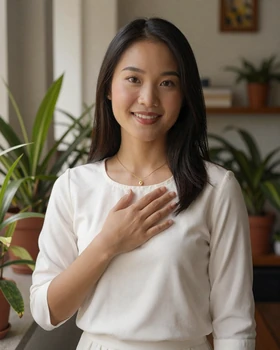
In cross-cultural dating, language effort functions as a trust multiplier. When you stumble through "Wǒ xiǎng nǐ" on a video call with a Chinese woman, she hears more than imperfect Mandarin. She hears: "I care enough about your world to struggle with something difficult for you." That emotional signal is extraordinarily powerful, especially in cultures where actions consistently outweigh words.
Family dynamics amplify this effect dramatically. Across Asia - from Vietnamese households to Korean family gatherings - the foreign partner who greets elders in their language receives a fundamentally different reception than one who doesn't. You transition from "foreigner my daughter is dating" to "the man who respects our family enough to learn our language." This distinction matters immensely when seeking family approval for marriage.
The Compound Effect of Daily Practice
Language learning for dating follows a compound growth curve. The first week feels awkward and slow. By week four, you recognize words in her voice messages. By month three, you catch her laughing at something on TV and understand why. These micro-victories accumulate into genuine bilingual intimacy that no translation app can replicate. Tinpak Asians' real-time translation feature handles complex conversations, but your personal effort handles her heart.
Common Pronunciation Mistakes That Make Her Laugh (And How to Avoid Them)
Making mistakes is part of the journey - and honestly, gentle laughter over mispronunciation creates some of the most intimate bonding moments in international dating. Here are the most common pitfalls by language, so you can avoid the truly embarrassing ones.
- Mandarin Tones: Chinese has four tones. Saying "mā" (mother) vs. "mǎ" (horse) vs. "mà" (to scold) depends entirely on tone. Practice with Pimsleur or a tutor before telling her mother she's a horse.
- Thai Tones: "Suay" with a rising tone means beautiful. With a falling tone, it means bad luck. Record yourself and compare with native audio - your Thai partner will appreciate the care.
- Vietnamese Tones: Six tones make Vietnamese challenging. "Bạn" (friend) and "bán" (to sell) differ by a single diacritical mark. Start with the Northern (Hanoi) dialect for clearest pronunciation guides.
- Japanese "R" Sound: Japanese "r" sits between English "r," "l," and "d." Practice "arigatou" by lightly tapping your tongue behind your upper teeth - it's a flap, not a rolled r.
- Korean Double Consonants: "Oppa" (older brother/boyfriend) vs. "opa" sounds different to Korean ears. The double consonant requires a brief tension before the sound. Practice with K-drama clips.
- Tagalog Stress Patterns: Filipino words change meaning based on syllable stress. "Bata" (BAH-tah = robe) vs. "bata" (bah-TAH = child). Listen carefully to where your Filipina partner places emphasis.
Remember: Your partner will love your effort regardless of accent. A 2025 survey of Asian women on international dating platforms found that 91% rated "willingness to learn my language" as more attractive than physical appearance or income level. Imperfect pronunciation with genuine effort beats perfect silence every time.